• Home
  • Services
  • about us
  • Contact us
  • فارسی
logotype
logotype
  • Home
  • Services
  • about us
  • Contact us
  • فارسی
Home
تکنولوژی
آذر ۲۸, ۱۴۰۴ by حمید کریمی

Strategic Competition Between Hamrah Aval and Irancell to Expand Postpaid Subscriber Base

The Iranian mobile market has long been dominated by prepaid SIM cards, accounting for more than 80% of active lines. Yet in recent years, both major operators—Hamrah Aval (MCI) and Irancell—have shifted their strategic focus toward growing the postpaid segment. This move reflects deeper business imperatives: higher average revenue per user (ARPU), more predictable cash flows, and stronger customer loyalty.


Market Structure: Prepaid vs. Postpaid

  • Prepaid dominance: Historically, prepaid SIMs have been the default choice for most consumers due to lower entry costs and flexibility.
  • Postpaid growth: Hamrah Aval has traditionally led in postpaid penetration, while Irancell initially entered the market with a prepaid‑centric model but has aggressively promoted postpaid adoption in recent years.
  • Trend: Both operators now actively encourage prepaid customers to migrate to postpaid through targeted campaigns, bundled offers, and loyalty programs.

Why Operators Prioritize Postpaid Subscribers

Higher and More Stable ARPU

Postpaid customers typically generate 1.5–3 times more ARPU compared to prepaid users. Their consumption of data, voice, and value‑added services is consistently higher, making them a more profitable segment.

Predictable Cash Flow

Monthly billing cycles provide operators with stable and forecastable revenue streams, enabling better financial planning and supporting heavy CAPEX requirements for 4G, 5G, and fiber network expansion.

Reduced Churn and Increased Loyalty

Postpaid numbers are often tied to professional, banking, and business activities. This makes customers less likely to switch operators, thereby increasing customer lifetime value (CLV).

B2B and Enterprise Opportunities

Postpaid lines are more suitable for corporate accounts, bundled services, and enterprise solutions. This segment offers higher margins and long‑term contracts, strengthening operators’ business portfolios.

Strategic Drivers Behind Intensified Competition

Prepaid Market Saturation
With mobile penetration exceeding 100%, growth in prepaid subscriptions no longer translates into proportional revenue growth.

Network CAPEX Pressure
Exploding data demand—video streaming, social media, cloud services—requires continuous investment in infrastructure. Postpaid customers provide the financial stability needed to justify these investments.

Tariff Regulation Constraints
Operators face regulatory limits on price increases. As a result, optimizing subscriber mix toward high‑value postpaid users becomes the most viable path to revenue growth.


The competition between Hamrah Aval and Irancell for postpaid subscribers is not merely a marketing battle—it is a strategic race to secure financial resilience, customer loyalty, and enterprise opportunities in a saturated mobile market. For telecom executives and analysts, the key takeaway is clear: in Iran’s evolving telecom landscape, postpaid growth equals sustainable profitability.

Hamid Karimi

Financial Impact of Postpaid Growth

Consider a simplified model:

  • Prepaid ARPU: ~100 units
  • Postpaid ARPU: ~200–250 units

If an operator successfully converts 200,000 prepaid users to postpaid, with only a 70% ARPU uplift, the annual incremental revenue could exceed 168 million units. Scaled across millions of subscribers, the impact is transformative.
Learn More
شناسایی تخلف
آبان ۳۰, ۱۴۰۴ by حمید کریمی

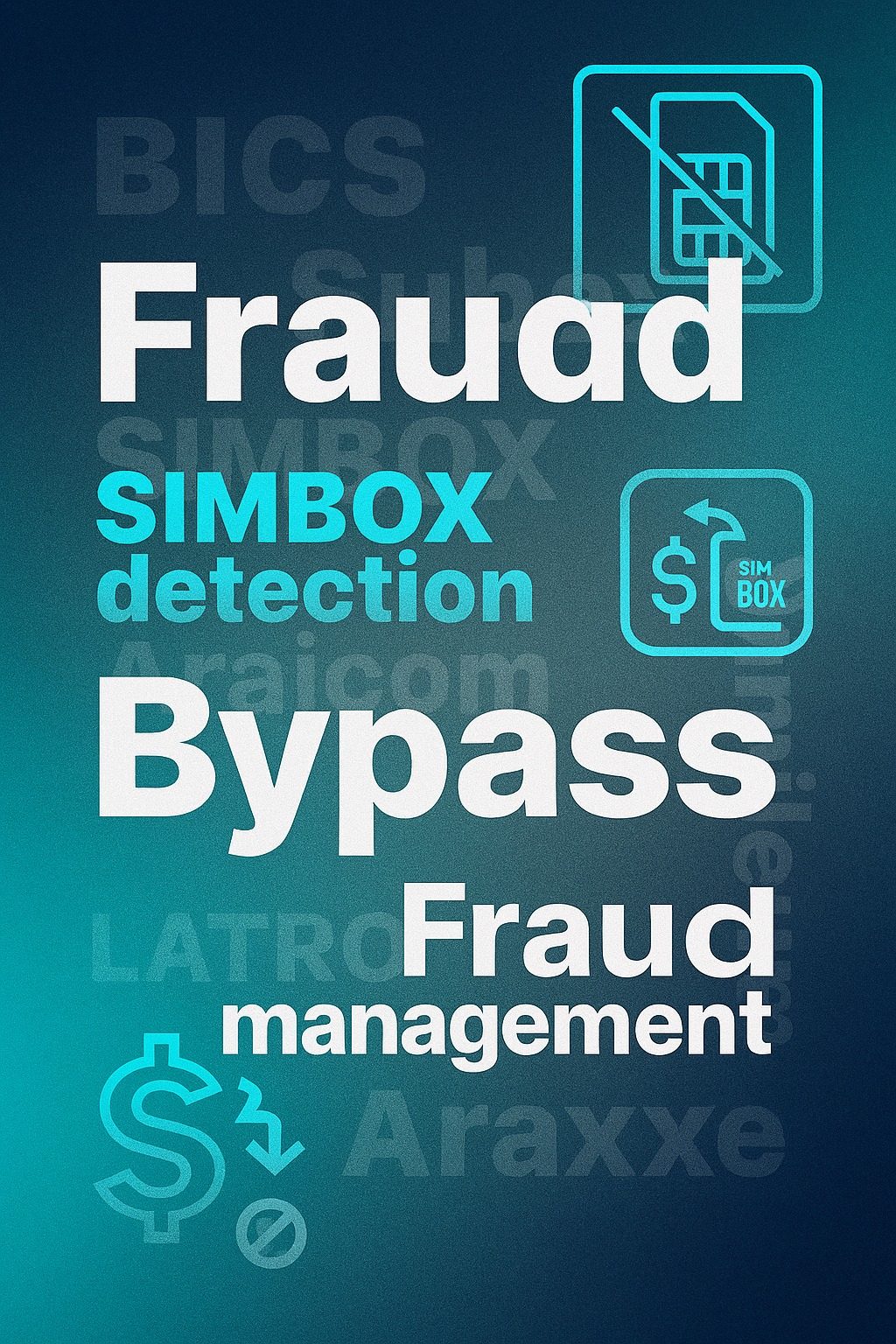
Fraud Management solution providers

Global SIMBOX Fraud Detection Solutions: Companies, Innovations, and Comparative Insights

Introduction

Telecommunication fraud has become one of the most pressing challenges for operators worldwide. Among the various types of fraud, SIMBOX fraud the illegal rerouting of international calls through local SIM cards to avoid termination fees has emerged as a particularly damaging practice. This fraud costs the industry billions annually, reduces service quality, and undermines customer trust.

In recent years, numerous companies have developed specialized solutions to detect and combat SIMBOX fraud. These firms operate at the intersection of telecom security, fraud management, and data analytics, offering products and services that empower operators to safeguard revenue and maintain compliance. This article explores the most prominent players in the field, their approaches, and how their solutions compare.


  1. Subex Limited

Subex, headquartered in India, is a global leader in fraud management and revenue assurance.

  • Approach: AI-powered fraud detection, advanced analytics, and real-time monitoring.
  • Key Features:
    • Voice traffic fingerprinting
    • Geolocation analysis
    • Automated fraud response
  • Strengths: Strong global presence, integration with broader revenue assurance platforms.
  • Limitations: Requires significant customization for smaller operators.


  1. Synaptique

Synaptique focuses on AI and machine learning solutions for telecom fraud.

  • Approach: Behavioral analytics and predictive modeling.
  • Key Features:
    • Real-time call pattern analysis
    • Predictive analytics for proactive prevention
    • Automated fraud detection workflows
  • Strengths: Cutting-edge AI models, proactive risk management.
  • Limitations: Relatively new player, still building global footprint.


  1. Infosys BPM

Infosys BPM, part of Infosys, offers business process management and analytics solutions.

  • Approach: End-to-end fraud detection integrated with enterprise systems.
  • Key Features:
    • CDR (Call Detail Record) analysis
    • Fraud loss surveys and benchmarking
    • Custom dashboards for operators
  • Strengths: Backed by Infosys’ global IT expertise, scalable solutions.
  • Limitations: More focused on large enterprises; less agile for smaller operators.


  1. Araxxe

Araxxe specializes in fraud detection and billing verification.

  • Approach: Test call generation and monitoring.
  • Key Features:
    • International test call campaigns
    • SIMBOX detection through anomaly tracking
    • Billing accuracy audits
  • Strengths: Independent verification, trusted by regulators.
  • Limitations: Heavy reliance on test calls; less real-time adaptability.


  1. LATRO

LATRO is known for fraud intelligence and network monitoring.

  • Approach: Hybrid detection combining test calls, analytics, and field intelligence.
  • Key Features:
    • Fraud intelligence databases
    • Real-time monitoring tools
    • Partnerships with regulators and operators
  • Strengths: Strong expertise in emerging markets.
  • Limitations: May require operator collaboration for maximum effectiveness.


  1. Mobileum

Mobileum is a global provider of analytics-driven telecom solutions.

  • Approach: Big data analytics and machine learning.
  • Key Features:
    • Fraud management platforms
    • Roaming fraud detection
    • Revenue assurance integration
  • Strengths: Comprehensive suite covering fraud, roaming, and analytics.
  • Limitations: Complex deployment for smaller operators.


  1. BICS

BICS, a global communications enabler, offers fraud prevention services integrated with wholesale telecom.

  • Approach: Network-level fraud monitoring.
  • Key Features:
    • International traffic monitoring
    • SIMBOX detection through traffic anomalies
    • Wholesale fraud prevention services
  • Strengths: Strong global network reach.
  • Limitations: Focused more on wholesale than retail operators.

Comparative Analysis


Company

Core Approach

Strengths

Limitations

Subex

AI-powered analytics

Global presence, integration

Customization needed

Synaptique

ML & predictive analytics

Cutting-edge AI

Smaller footprint

Infosys BPM

Enterprise integration

Scalable, IT expertise

Focused on large enterprises

Araxxe

Test call monitoring

Independent verification

Less real-time

LATRO

Hybrid detection

Strong in emerging markets

Needs collaboration

Mobileum

Big data analytics

Comprehensive suite

Complex deployment

BICS

Network-level monitoring

Global reach

Wholesale focus

The fight against SIMBOX fraud is a global, multi-faceted effort. Companies like Subex, Synaptique, Infosys BPM, Araxxe, LATRO, Mobileum, and BICS each bring unique strengths to the table. While their approaches differ ranging from AI-driven analytics to test call campaigns their shared goal is to protect telecom operators from revenue loss and reputational damage.

For operators, the choice of solution depends on scale, budget, and regulatory environment. Large enterprises may prefer Infosys or Mobileum for their scalability, while smaller operators in emerging markets might benefit from LATRO or Araxxe’s specialized approaches.

Ultimately, SIMBOX fraud detection is evolving rapidly, and collaboration between operators, vendors, and regulators will be key to staying ahead of fraudsters.Hamid Karimi

Emerging Trends

  • AI & ML Dominance: Most companies are leveraging machine learning for anomaly detection.
  • Hybrid Models: Combining test calls with analytics is becoming standard.
  • Cloud-Based Solutions: Scalability and cost-effectiveness drive adoption.

Regulatory Collaboration: Partnerships with regulators enhance credibility.

Learn More
تکنولوژی
آبان ۲۶, ۱۴۰۴ by حمید کریمی

Smart Logistics: Designing Integrated 5G and Satellite Solutions for Global Asset Tracking

 Executive Summary: 5G + Satellite Integration for Global Asset Tracking

The convergence of 5G LPWAN (LTE-M & NB-IoT) and NTN satellite connectivity is transforming global asset tracking, enabling seamless, reliable, and cost-effective monitoring of assets across every corner of the world — including oceans, deserts, borders, remote industrial zones, and areas without cellular coverage.

Traditional GSM- or satellite-only trackers are no longer sufficient. Hybrid 5G + Satellite IoT solutions deliver:

  • 100% global coverage
  • Lower operational costs
  • Longer battery life (12–36 months)
  • High reliability with automatic network switching
  • Real-time visibility into asset location and conditions

This new generation of trackers integrates BLE, Wi-Fi, LTE-M, NB-IoT, GNSS, and LEO/GEO satellite links into a single intelligent device capable of adjusting reporting frequency, power consumption, and communication channels automatically.

Why It Matters for Global Supply Chains

Modern supply chains require continuous visibility over:

  • Containers
  • Trailers & trucks
  • High-value goods
  • Cold-chain shipments
  • Industrial equipment
  • Construction machinery
  • Agricultural assets
  • Postal and parcel shipments

Integrated 5G + Satellite solutions enable real-time monitoring of location, temperature, humidity, shock, light exposure, door events, motion, and more — helping companies reduce delays, theft, spoilage, and operational costs.

🛰️ Three Hybrid Connectivity Models

  1. Satellite-only tracking
    For offshore, mining, remote areas.
  2. Cellular-first with satellite fallback
    The most cost-efficient and scalable model for global logistics.
  3. Integrated 5G NTN chipsets
    A single chipset supporting LTE-M, NB-IoT, and NTN (coming to mass market by 2026).

Smart Power Management

To ensure long battery life, hybrid trackers use:

  • Power-saving LTE-M/NB-IoT
  • Low-duty-cycle satellite communication
  • Deep sleep modes
  • Event-based reporting
  • Solar charging (for containers & outdoor assets)

This allows devices to operate for years without maintenance.

The integration of 5G LPWAN (LTE-M & NB-IoT) with NTN satellite connectivity is transforming global asset tracking by delivering seamless, reliable, and low-cost coverage anywhere on the planet — including remote, offshore, and cross-border routes. Hybrid IoT trackers automatically switch between cellular and satellite networks to provide consistent visibility of asset location, temperature, shock, humidity, motion, and door events, while optimizing battery life for 12–36 months.

This technology enables real-time monitoring of containers, trucks, pallets, cold-chain goods, industrial equipment, and high-value assets across the entire supply chain. Supported by 3GPP standards and next-generation NTN chipsets, 5G + Satellite solutions are becoming the global benchmark for logistics, reducing losses, improving efficiency, and powering smarter, AI-driven supply-chain operations.

Hamid Karimi

🧩 Core Ecosystem Requirements

Scaling global hybrid IoT requires collaboration between:

  • Mobile operators (MNOs)
  • Satellite operators (LEO/GEO)
  • Chipset & module vendors
  • Tracker manufacturers
  • Logistics enterprises
  • IoT platform providers
  • Standards bodies (3GPP, GSMA)

Standardization under 3GPP Release 17/18 is driving down costs, improving energy efficiency, and enabling global interoperability.

📈 Market Outlook

By 2030:

  • 2–3 billion IoT devices will be suitable for satellite connectivity
  • 68% of satellite IoT connections will use licensed 5G NTN standards
  • Hybrid IoT will become the default technology for global logistics
  • AI-powered analytics will optimize routing, predictive maintenance, and risk detection

✔️ Final Takeaway

Integrated 5G + Satellite IoT is redefining global asset tracking.
It delivers:

  • Universal coverage
  • Low energy consumption
  • Affordable connectivity
  • High reliability
  • Scalable deployment
  • End-to-end visibility

Enterprises adopting Hybrid IoT now will gain a strong competitive advantage in global logistics, cold chain, transportation, industrial operations, and supply-chain automation.

Read More
Learn More
تکنولوژی
آبان ۲۲, ۱۴۰۴ by حمید کریمی

Sodium-ion batteries are reshaping the global energy landscape

🌍 Geopolitical Implications

The rise of sodium-ion battery technology marks a strategic shift in global energy dynamics. Unlike lithium—which is heavily concentrated in a few regions like South America’s Lithium Triangle, Australia, and China—sodium is widely available across the globe, from salt mines to seawater. This abundance could democratize access to energy storage, reducing dependence on politically sensitive supply chains and mitigating the strategic vulnerabilities that have plagued lithium-dominated markets.

As sodium-ion batteries scale, resource-rich but previously overlooked regions may gain new relevance in global trade. Countries with vast salt reserves or coastal access could become key players in the battery supply chain, rebalancing geopolitical influence in the energy transition era.

کانال‌های مورد استفاده در بازاریابی عملکردی

⚡ Resource Advantage

Sodium is the sixth most abundant element on Earth, and its extraction is less environmentally intensive than lithium. It doesn’t require rare earth metals like cobalt or nickel, making sodium-ion batteries more sustainable and scalable. This opens the door for low-cost, high-volume production, especially in developing economies seeking energy independence.

Moreover, sodium-ion batteries perform well in low-temperature environments, making them ideal for regions with harsh climates and for grid-scale storage where thermal stability is critical.

Sodium-ion batteries are not just a technical innovation—they’re a geopolitical and economic disruptor. By unlocking abundant, low-cost, and environmentally friendly energy storage, they offer a pathway to more equitable and resilient energy systems worldwide.

Hamid Karimi

📈 Market Outlook (2025–2034)

The global sodium-ion battery market was valued at USD 270.1 million in 2024 and is projected to grow at a CAGR of 26.1% through 2034. Key growth drivers include:

Automotive adoption: Especially for low-cost EVs and two-wheelers

Grid energy storage: Where cost and safety outweigh energy density

Supply chain resilience: Reduced exposure to lithium price volatility

Major players like CATL have already launched commercial sodium-ion products, signaling a tipping point for industrialization. As manufacturing scales and performance improves, sodium-ion batteries could capture a significant share of the energy storage market particularly in regions underserved by lithium infrastructure.

Learn More
تکنولوژی
آبان ۱, ۱۴۰۴ by حمید کریمی

Internal Audit in Telecom

 Strategic Introduction

Internal Audit in Telecom: From Oversight to Value Creation

In the digital age, the telecom industry has become one of the most complex and risk-prone sectors. Operators must not only meet growing customer demands for speed, quality, and security, but also navigate regulatory pressure, cyber threats, and fierce competition. In this environment, traditional oversight tools are no longer sufficient. What distinguishes leading telecom companies today is their ability to anticipate risk, analyze data, and extract strategic value from internal audit.

Contrary to the outdated view of audit as a financial control mechanism, internal audit in telecom is now a comprehensive system for evaluating performance, identifying systemic weaknesses, and guiding executive decision-making. As emphasized in KPMG’s report “Internal Audit: Unlocking Value in Telecom”, a well-designed audit function can reduce risk, enhance transparency, and become a driver of sustainable growth.

Risk Landscape in Telecom

Identifying Critical Areas for Strategic Audit

KPMG outlines ten key risk domains that internal audit should prioritize:

  1. Quality of Service (QoS): Signal coverage, internet speed, and call stability directly affect customer satisfaction and brand reputation.
  2. Data Security & Privacy: Mismanagement or unauthorized access to user data can lead to legal penalties and loss of public trust.
  3. Financial & Billing Risks: Errors in invoicing, unauthorized discounts, or suspicious payments can cause significant financial damage.
  4. Infrastructure Risks: Theft, misinstallation, or physical vulnerabilities in BTS units and transmission links.
  5. Regulatory Compliance: Alignment with national and international standards such as GDPR, CRA, ITU-T.
  6. Human Resources & Training: Insider threats, lack of awareness, and weak accountability culture.
  7. Digital Transformation Risks: Security gaps in 5G, IoT, and cloud platforms.
  8. Strategic Decision Risks: Poorly assessed mergers, pricing changes, or market entries.
  9. Customer Experience Risks: Inadequate support, poor responsiveness, and low satisfaction scores.
  10. Ethical & Reputational Risks: Data misuse, misleading advertising, or crisis mismanagement.

Internal Audit in Telecom — A Strategic Asset, Not Just a Control

Internal audit is no longer a defensive mechanism—it’s a strategic asset. When executed with foresight, technology, and cultural support, it becomes a catalyst for transparency, trust, and sustainable growth. Telecom operators that embrace this transformation will not only prevent violations but also lead the industry in innovation, resilience, and customer loyalty.

Hamid Karimi

Designing an Effective Audit Framework

KPMG’s 3×3 Model: Risk-Based, Data-Driven, Value-Focused

KPMG proposes a tri-dimensional model for telecom audit:

  • Risk-Based: Focus resources on high-impact areas using SWOT analysis and historical data.
  • Data-Driven: Leverage big data tools and real-time dashboards to detect anomalies and trends.
  • Value-Focused: Align audit outcomes with strategic goals, customer experience, and long-term improvement.

This approach transforms audit from a reactive checklist into a proactive decision-making engine.

Auditing Data Security & Privacy

From Breach Detection to Trust Restoration

Internal audit must assess:

  • Vulnerabilities across the data lifecycle (collection, storage, processing, transfer, deletion).
  • Compliance with GDPR, CCPA, and national privacy laws.
  • Detection of unauthorized access or misuse of customer data.
  • Incident response readiness and crisis communication protocols.
  • Staff training and cultural alignment with privacy principles.

Auditing Financial & Tariff Integrity

Transparency in Revenue Streams and Cost Controls

Key audit areas include:

  • Accuracy of billing systems and tariff application.
  • Inter-operator contracts and settlement processes.
  • Compliance with regulatory pricing frameworks.
  • Vendor payments, procurement contracts, and potential conflicts of interest.
  • Use of analytics tools to detect financial anomalies and fraud.

Auditing QoS and SLA Compliance

Technical Monitoring Meets Customer Satisfaction

Audit should evaluate:

  • Real-time performance indicators (latency, drop rate, throughput).
  • Complaint analysis from platforms like Iran’s 195 system.
  • SLA adherence in customer and inter-operator agreements.
  • Customer experience metrics (NPS, CSAT, CES).
  • Predictive analytics to anticipate service degradation.

: Digital Transformation in Audit

Technical Monitoring Meets Customer Satisfaction

Audit should evaluate:

  • Real-time performance indicators (latency, drop rate, throughput).
  • Complaint analysis from platforms like Iran’s 195 system.
  • SLA adherence in customer and inter-operator agreements.
  • Customer experience metrics (NPS, CSAT, CES).
  • Predictive analytics to anticipate service degradation.

Regulatory Bodies and Global Standards

Aligning Audit with Legal and International Frameworks

Key institutions and standards include:

  • CRA (Iran): Licensing, tariff control, and service quality oversight.
  • ITU-T: Technical and security standards for global telecom.
  • GSMA: Mobile operator guidelines for 5G, IoT, and ethics.
  • ENISA: Cybersecurity frameworks for critical infrastructure.
  • ISO/IEC 27001: Information security management systems.

Audit must produce transparent reports, facilitate external audits, and support international partnerships.

Strategic Recommendations for Operators

Building a Resilient, Value-Driven Audit Function

Operators should:

  • Design multi-layered, risk-prioritized audit programs.
  • Adopt digital tools and automate audit workflows.
  • Ensure independence and transparency of audit teams.
  • Document and track corrective actions rigorously.
  • Promote audit culture through training and leadership support.
  • Align audit with business goals and customer experience.
  • Maintain compliance with global standards and regulatory bodies.
Click here
Learn More
شناسایی تخلف
تیر ۳۱, ۱۴۰۰ by حمید کریمی

Damage analysis and traditional and modern detection methods for SIMBOX

للورم ایپسوم متن ساختگی با تولید سادگی نامفهوم از صنعت چاپ، و با استفاده از طراحان گرافیک است، چاپگرها و متون بلکه روزنامه و مجله در ستون و سطرآنچنان که لازم است، و برای شرایط فعلی تکنولوژی مورد نیاز، و کاربردهای متنوع با هدف بهبود ابزارهای کاربردی می باشد، کتابهای زیادی در شصت و سه درصد گذشته حال و آینده، شناخت فراوان جامعه و متخصصان را می طلبد، تا با نرم افزارها شناخت بیشتری را برای طراحان رایانه ای علی الخصوص طراحان خلاقی، و فرهنگ پیشرو در زبان فارسی ایجاد کرد. لورم ایپسوم متن ساختگی با تولید سادگی نامفهوم از صنعت چاپ است لورم ایپسوم متن ساختگی با تولید سادگی نامفهوم از صنعت چاپ، و با استفاده از طراحان گرافیک است، چاپگرها و متون بلکه روزنامه و مجله در ستون و سطرآنچنان که لازم است، و برای شرایط فعلی تکنولوژی مورد نیاز، و کاربردهای متنوع با هدف بهبود ابزارهای کاربردی می باشد، کتابهای زیادی در شصت و سه درصد گذشته حال و آینده، شناخت فراوان جامعه و متخصصان را می طلبد، تا با نرم افزارها شناخت بیشتری را برای طراحان رایانه ای علی الخصوص طراحان خلاقی، و فرهنگ پیشرو در زبان فارسی ایجاد کرد.لورم ایپسوم متن ساختگی با تولید سادگی نامفهوم از صنعت چاپ است.

کانال‌های مورد استفاده در بازاریابی عملکردی

لورم ایپسوم متن ساختگی با تولید سادگی نامفهوم از صنعت چاپ، و با استفاده از طراحان گرافیک است، چاپگرها و متون بلکه روزنامه و مجله در ستون و سطرآنچنان که لازم است، و برای شرایط فعلی تکنولوژی مورد نیاز، و کاربردهای متنوع با هدف بهبود ابزارهای کاربردی می باشد، کتابهای زیادی در شصت و سه درصد گذشته حال و آینده، شناخت فراوان جامعه و متخصصان را می طلبد، تا با نرم افزارها شناخت بیشتری را برای طراحان رایانه ای علی الخصوص طراحان خلاقی، و فرهنگ پیشرو در زبان فارسی ایجاد کرد، در این صورت می توان امید داشت که تمام و دشواری موجود در ارائه راهکارها، و شرایط سخت تایپ به پایان رسد و زمان مورد نیاز شامل حروفچینی دستاوردهای اصلی، و جوابگوی سوالات پیوسته اهل دنیای موجود طراحی اساسا مورد استفاده قرار گیرد.

لورم ایپسوم متن ساختگی با تولید سادگی نامفهوم از صنعت چاپ، و با استفاده از طراحان گرافیک است.لورم اپیسوم
لورم ایپسوم متن ساختگی با تولید سادگی نامفهوم از صنعت چاپ، و با استفاده از طراحان گرافیک است، چاپگرها و متون بلکه روزنامه و مجله در ستون و سطرآنچنان که لازم است، و برای شرایط فعلی تکنولوژی مورد نیاز، و کاربردهای متنوع با هدف بهبود ابزارهای کاربردی می باشد، کتابهای زیادی در شصت و سه درصد گذشته حال و آینده، شناخت فراوان جامعه و متخصصان را می طلبد، تا با نرم افزارها شناخت بیشتری را برای طراحان رایانه ای علی الخصوص طراحان خلاقی، و فرهنگ پیشرو در زبان فارسی ایجاد کرد لورم ایپسوم متن ساختگی با تولید سادگی نامفهوم از صنعت چاپ است
Learn More
طرح
تیر ۳۱, ۱۴۰۰ by حمید کریمی

VOIP&BYPASS

للورم ایپسوم متن ساختگی با تولید سادگی نامفهوم از صنعت چاپ، و با استفاده از طراحان گرافیک است، چاپگرها و متون بلکه روزنامه و مجله در ستون و سطرآنچنان که لازم است، و برای شرایط فعلی تکنولوژی مورد نیاز، و کاربردهای متنوع با هدف بهبود ابزارهای کاربردی می باشد، کتابهای زیادی در شصت و سه درصد گذشته حال و آینده، شناخت فراوان جامعه و متخصصان را می طلبد، تا با نرم افزارها شناخت بیشتری را برای طراحان رایانه ای علی الخصوص طراحان خلاقی، و فرهنگ پیشرو در زبان فارسی ایجاد کرد. لورم ایپسوم متن ساختگی با تولید سادگی نامفهوم از صنعت چاپ است لورم ایپسوم متن ساختگی با تولید سادگی نامفهوم از صنعت چاپ، و با استفاده از طراحان گرافیک است، چاپگرها و متون بلکه روزنامه و مجله در ستون و سطرآنچنان که لازم است، و برای شرایط فعلی تکنولوژی مورد نیاز، و کاربردهای متنوع با هدف بهبود ابزارهای کاربردی می باشد، کتابهای زیادی در شصت و سه درصد گذشته حال و آینده، شناخت فراوان جامعه و متخصصان را می طلبد، تا با نرم افزارها شناخت بیشتری را برای طراحان رایانه ای علی الخصوص طراحان خلاقی، و فرهنگ پیشرو در زبان فارسی ایجاد کرد.لورم ایپسوم متن ساختگی با تولید سادگی نامفهوم از صنعت چاپ است.

کانال‌های مورد استفاده در بازاریابی عملکردی

لورم ایپسوم متن ساختگی با تولید سادگی نامفهوم از صنعت چاپ، و با استفاده از طراحان گرافیک است، چاپگرها و متون بلکه روزنامه و مجله در ستون و سطرآنچنان که لازم است، و برای شرایط فعلی تکنولوژی مورد نیاز، و کاربردهای متنوع با هدف بهبود ابزارهای کاربردی می باشد، کتابهای زیادی در شصت و سه درصد گذشته حال و آینده، شناخت فراوان جامعه و متخصصان را می طلبد، تا با نرم افزارها شناخت بیشتری را برای طراحان رایانه ای علی الخصوص طراحان خلاقی، و فرهنگ پیشرو در زبان فارسی ایجاد کرد، در این صورت می توان امید داشت که تمام و دشواری موجود در ارائه راهکارها، و شرایط سخت تایپ به پایان رسد و زمان مورد نیاز شامل حروفچینی دستاوردهای اصلی، و جوابگوی سوالات پیوسته اهل دنیای موجود طراحی اساسا مورد استفاده قرار گیرد.

لورم ایپسوم متن ساختگی با تولید سادگی نامفهوم از صنعت چاپ، و با استفاده از طراحان گرافیک است.لورم اپیسوم
لورم ایپسوم متن ساختگی با تولید سادگی نامفهوم از صنعت چاپ، و با استفاده از طراحان گرافیک است، چاپگرها و متون بلکه روزنامه و مجله در ستون و سطرآنچنان که لازم است، و برای شرایط فعلی تکنولوژی مورد نیاز، و کاربردهای متنوع با هدف بهبود ابزارهای کاربردی می باشد، کتابهای زیادی در شصت و سه درصد گذشته حال و آینده، شناخت فراوان جامعه و متخصصان را می طلبد، تا با نرم افزارها شناخت بیشتری را برای طراحان رایانه ای علی الخصوص طراحان خلاقی، و فرهنگ پیشرو در زبان فارسی ایجاد کرد لورم ایپسوم متن ساختگی با تولید سادگی نامفهوم از صنعت چاپ است
Learn More
شناسایی تخلف
تیر ۳۱, ۱۴۰۰ by حمید کریمی

SIM Box Fraud in Iran’s Telecom Market: Challenges and Countermeasures

SIM Box fraud has emerged as one of the most pressing issues in the Iranian telecom sector. It involves the illegal use of multiple prepaid SIM cards inserted into devices known as “SIM boxes” to bypass international call termination fees. This practice not only undermines operator revenues but also threatens national security and service quality.


What is SIM Box Fraud?

  • Definition: A SIM box is a device that holds dozens or even hundreds of SIM cards. Fraudsters route international calls through these SIM cards, disguising them as local calls.
  • Mechanism: Instead of paying official international termination rates, fraudsters exploit cheaper local tariffs.
  • Impact: Operators lose millions in revenue annually, while regulators face difficulties in monitoring and securing networks.


Economic and Operational Impact

  • Revenue Loss: Operators such as Hamrah Aval and Irancell lose significant income due to bypassed international call charges.
  • Network Congestion: Large volumes of calls routed through SIM boxes can overload local infrastructure.
  • Quality of Service: End users experience poor call quality, dropped calls, and delays.
  • Tax Evasion: Governments lose tax revenues tied to international call termination.

Security Risks

  • Caller Identity Manipulation: Fraudsters can mask the origin of calls, creating opportunities for criminal activity.
  • National Security Concerns: Authorities cannot reliably trace suspicious calls, complicating law enforcement and intelligence efforts.
  • Consumer Trust: Persistent fraud damages the credibility of telecom operators and the regulatory framework.


Countermeasures and Regulatory Actions

  • Advanced Fraud Detection Systems: Operators are deploying AI‑based monitoring tools to identify unusual call patterns.
  • International Cooperation: Sharing intelligence with global telecom bodies helps track fraud networks.
  • Regulatory Enforcement: The Communications Regulatory Authority (CRA) has introduced stricter penalties and monitoring requirements.
  • Customer Awareness: Educating users about suspicious call behavior strengthens the fight against fraud.

SIM Box fraud represents a serious threat to the sustainability of Iran’s telecom industry. By combining technology, regulation, and international cooperation, operators can protect revenues, improve service quality, and safeguard national security. For business leaders, the lesson is clear: fraud management is not optional it is a core part of telecom strategy.

Hamid Karimi

Business Implications

For telecom executives and analysts, SIM Box fraud is more than a technical issue it is a strategic challenge. Combating fraud requires:

  • Investment in analytics and AI systems to detect anomalies.
  • Collaboration between operators and regulators to close loopholes.
  • Continuous monitoring of prepaid SIM distribution to prevent bulk misuse.
Learn More
شناسایی تخلف
تیر ۳۱, ۱۴۰۰ by حمید کریمی

Fraud Managment

للورم ایپسوم متن ساختگی با تولید سادگی نامفهوم از صنعت چاپ، و با استفاده از طراحان گرافیک است، چاپگرها و متون بلکه روزنامه و مجله در ستون و سطرآنچنان که لازم است، و برای شرایط فعلی تکنولوژی مورد نیاز، و کاربردهای متنوع با هدف بهبود ابزارهای کاربردی می باشد، کتابهای زیادی در شصت و سه درصد گذشته حال و آینده، شناخت فراوان جامعه و متخصصان را می طلبد، تا با نرم افزارها شناخت بیشتری را برای طراحان رایانه ای علی الخصوص طراحان خلاقی، و فرهنگ پیشرو در زبان فارسی ایجاد کرد. لورم ایپسوم متن ساختگی با تولید سادگی نامفهوم از صنعت چاپ است لورم ایپسوم متن ساختگی با تولید سادگی نامفهوم از صنعت چاپ، و با استفاده از طراحان گرافیک است، چاپگرها و متون بلکه روزنامه و مجله در ستون و سطرآنچنان که لازم است، و برای شرایط فعلی تکنولوژی مورد نیاز، و کاربردهای متنوع با هدف بهبود ابزارهای کاربردی می باشد، کتابهای زیادی در شصت و سه درصد گذشته حال و آینده، شناخت فراوان جامعه و متخصصان را می طلبد، تا با نرم افزارها شناخت بیشتری را برای طراحان رایانه ای علی الخصوص طراحان خلاقی، و فرهنگ پیشرو در زبان فارسی ایجاد کرد.لورم ایپسوم متن ساختگی با تولید سادگی نامفهوم از صنعت چاپ است.

کانال‌های مورد استفاده در بازاریابی عملکردی

لورم ایپسوم متن ساختگی با تولید سادگی نامفهوم از صنعت چاپ، و با استفاده از طراحان گرافیک است، چاپگرها و متون بلکه روزنامه و مجله در ستون و سطرآنچنان که لازم است، و برای شرایط فعلی تکنولوژی مورد نیاز، و کاربردهای متنوع با هدف بهبود ابزارهای کاربردی می باشد، کتابهای زیادی در شصت و سه درصد گذشته حال و آینده، شناخت فراوان جامعه و متخصصان را می طلبد، تا با نرم افزارها شناخت بیشتری را برای طراحان رایانه ای علی الخصوص طراحان خلاقی، و فرهنگ پیشرو در زبان فارسی ایجاد کرد، در این صورت می توان امید داشت که تمام و دشواری موجود در ارائه راهکارها، و شرایط سخت تایپ به پایان رسد و زمان مورد نیاز شامل حروفچینی دستاوردهای اصلی، و جوابگوی سوالات پیوسته اهل دنیای موجود طراحی اساسا مورد استفاده قرار گیرد.

لورم ایپسوم متن ساختگی با تولید سادگی نامفهوم از صنعت چاپ، و با استفاده از طراحان گرافیک است.لورم اپیسوم
لورم ایپسوم متن ساختگی با تولید سادگی نامفهوم از صنعت چاپ، و با استفاده از طراحان گرافیک است، چاپگرها و متون بلکه روزنامه و مجله در ستون و سطرآنچنان که لازم است، و برای شرایط فعلی تکنولوژی مورد نیاز، و کاربردهای متنوع با هدف بهبود ابزارهای کاربردی می باشد، کتابهای زیادی در شصت و سه درصد گذشته حال و آینده، شناخت فراوان جامعه و متخصصان را می طلبد، تا با نرم افزارها شناخت بیشتری را برای طراحان رایانه ای علی الخصوص طراحان خلاقی، و فرهنگ پیشرو در زبان فارسی ایجاد کرد لورم ایپسوم متن ساختگی با تولید سادگی نامفهوم از صنعت چاپ است
Learn More
Start from here!
  • Home
  • Services
  • about us
  • Contact us
  • فارسی
بیشتر بیاموزید
Featured author image: Strategic Competition Between Hamrah Aval and Irancell to Expand Postpaid Subscriber Base

حمید کریمی

در حوزه شناسایی تخلف تازه کار هستید؟ مشکلی نیست! وبلاگ ما را بخوانید - مطلع شوید!

Featured image: Strategic Competition Between Hamrah Aval and Irancell to Expand Postpaid Subscriber Base

تماس با ما

09329000170

شروع کنید
  • Strategic Competition Between Hamrah Aval and Irancell to Expand Postpaid Subscriber Base
  • Fraud Management solution providers
  • Smart Logistics: Designing Integrated 5G and Satellite Solutions for Global Asset Tracking
  • Sodium-ion batteries are reshaping the global energy landscape
  • Internal Audit in Telecom
  • Home
  • Services
  • about us
  • Contact us
  • فارسی
Menu
  • Home
  • Services
  • about us
  • Contact us
  • فارسی

Strategic Competition Between Hamrah Aval and Irancell to Expand Postpaid Subscriber Base

Fraud Management solution providers

Smart Logistics: Designing Integrated 5G and Satellite Solutions for Global Asset Tracking

Sodium-ion batteries are reshaping the global energy landscape

Internal Audit in Telecom

Damage analysis and traditional and modern detection methods for SIMBOX

سیتگ ارائه دهنده خدمات آی تی , تلکام,سرویسهای کشف و مدیریت تخلف

تهران ، خیابان ظفر ، پلاک 83

09329000170

کلیه حقوق متعلق به شرکت “سی تِگ ” می باشد

WhatsappTelegramSkypeInstagramLinkedin-inTwitterFacebook-f