Fraud Doesn’t Start with Fraud
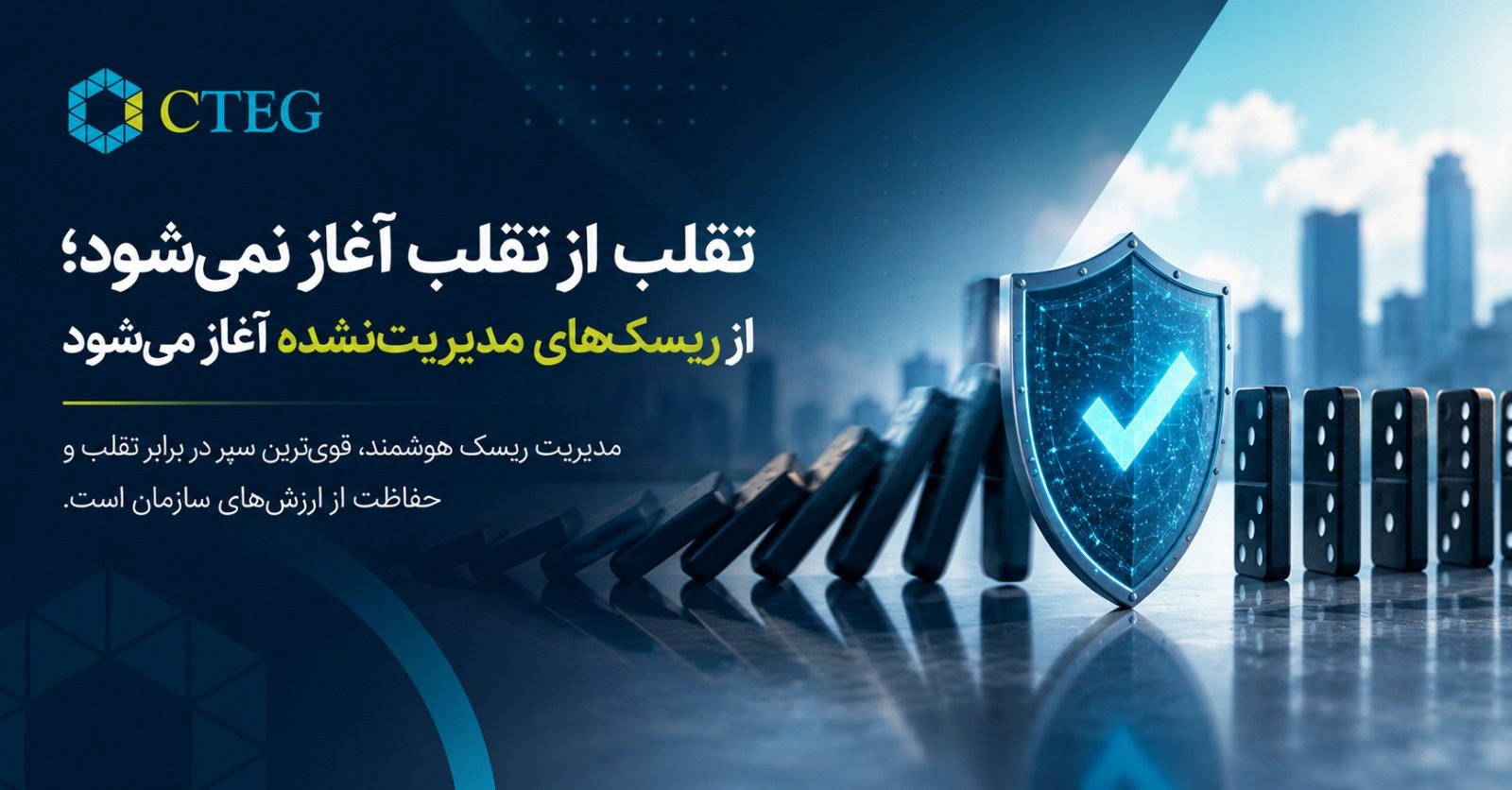
Fraud Doesn’t Start with Fraud. It Starts with Unmanaged Risk.
When fraud is discovered, most organizations immediately focus on one question:
Who did it?
But high-performing organizations ask a different question:
Why was it possible in the first place?
Fraud rarely appears overnight.
It is usually the final outcome of a chain of unmanaged risks:
• Weak corporate governance
• Ineffective internal controls
• Process gaps and operational inefficiencies
• Poor accountability
• Technology and data vulnerabilities
• Organizational cultures that fail to encourage transparency
When these risks remain unresolved, they create opportunities.
And opportunities eventually become fraud.
This is why modern Fraud Risk Management should not begin with investigations—it should begin with risk management.
Today’s organizations have access to powerful technologies including Artificial Intelligence, Machine Learning, Behavioral Analytics, Predictive Analytics, and Graph Analytics. These tools can identify suspicious patterns faster than ever before.
But technology alone cannot eliminate fraud.
Even the most advanced AI cannot compensate for weak governance, poor leadership, or ineffective business processes.
The strongest defense against fraud is a combination of:
✔ Strong governance
✔ Effective internal controls
✔ A culture of integrity and accountability
✔ Continuous risk assessment
✔ Intelligent, data-driven monitoring
Organizations that consistently outperform their peers don’t simply investigate fraud incidents.
They reduce the conditions that allow fraud to happen.
Fraud should never be viewed only as a financial loss.
The future of Fraud Management isn’t about catching more fraudsters.
It’s about building organizations where fraud finds fewer opportunities to exist.
Hamid Karimi
It is a leadership indicator.
A governance indicator.
A process indicator.
And perhaps most importantly, a risk management indicator.
The organizations that will build lasting trust are not those that react faster after fraud occurs.
They are the ones that identify and manage the underlying risks before fraud has the chance to emerge.
How does your organization approach fraud?
Do you focus on investigating incidents, or on managing the risks that create them?